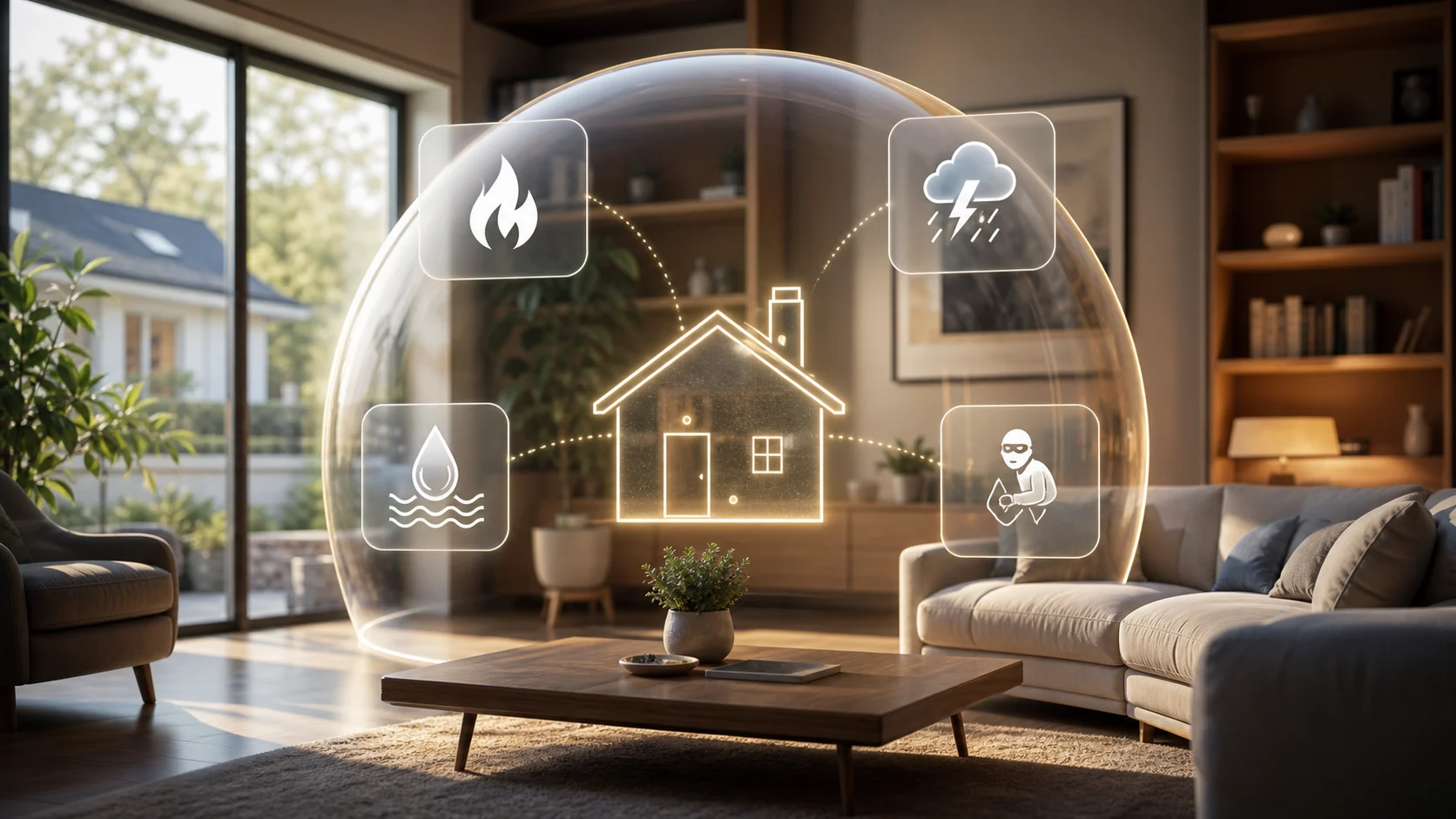
Which Risks Does Home Insurance Cover?
Home insurance supports everyday security
Home insurance helps homeowners and tenants reduce the financial impact of unexpected damage. A home is not only a physical structure made of walls and rooms. It is the center of personal belongings, family routines, daily comfort and accumulated value. Fire, water damage, theft, glass breakage, storm or installation problems can create serious costs in a short time. Home insurance makes it easier to act with a plan when such risks occur.
This insurance should not be considered only for property owners. Tenants may also want to protect their belongings, possible liability toward neighbors and emergency support needs. Building coverage may be more important for a homeowner, while contents coverage may be more relevant for a tenant. For this reason, the first step is to decide which assets and responsibilities need protection.
Fire, smoke and explosion coverage
Fire is one of the core risks in home insurance. Electrical faults, kitchen accidents, heating system problems or external events may lead to fire. Smoke, soot, explosion and fire extinguishing efforts can also damage the home. If building and contents coverage are arranged together, both structural damage and movable belongings may be evaluated within the policy limits.
Costs after a fire are not limited to repair. Debris removal, temporary accommodation, loss of rent, damage to neighboring apartments or effects on common areas may also become important. Not every policy provides these benefits in the same way. When buying home insurance, it is important to check which additional expenses are included under fire coverage and what limits apply.
Water damage and plumbing problems
Water damage is one of the most common household risks. A burst pipe, boiler connection leak, water flowing from an upper floor, blocked drain or water tank problem can affect many parts of the home. Flooring, walls, furniture, electronics and decoration can be damaged quickly. Depending on the policy wording, home insurance may cover internal water damage within defined limits and conditions.
The source of water damage matters. Internal water, flood, rainwater, storm or external infrastructure problems may fall under different coverage sections. Therefore, asking whether water damage is included is not enough. You should understand which type of water loss is covered, whether plumbing repair support is available and how emergency assistance works.
Theft and contents protection
Theft coverage is another important part of home insurance. If a door or window is forced, if unauthorized entry occurs or if belongings are stolen, the policy conditions may apply. Limits for furniture, white goods, electronics, clothing and similar belongings should be reviewed. Valuable items such as jewelry, collections, artwork or special equipment may need separate declaration.
To benefit properly from theft coverage, the security condition of the home should be declared correctly. Door locks, alarm systems, occupancy status and contents value can affect policy evaluation. Items left in common areas, open balconies, unlocked storage spaces or undeclared valuables may be treated differently during a claim. Accurate information before the policy makes the claim process clearer.
Natural events, glass breakage and liability
Home insurance may offer additional coverage for storm, hail, flood, landslide, snow weight and similar natural events. Earthquake protection should be evaluated separately. Mandatory earthquake insurance provides a basic building framework, while home insurance may play a complementary role for belongings, decoration, additional expenses and broader needs. These two products should not be confused.
Glass breakage, damage caused to neighbors, liability arising from household members and everyday responsibility risks may also be covered depending on the policy. In apartment living, a plumbing problem damaging the lower floor is a clear example of why liability coverage matters. Home insurance may consider not only the damage inside your home, but also the effect that damage may have on others.
Assistance services and correct insured value
Locksmith, plumber, electrician, glass repair, boiler service, emergency repair referral and similar assistance services increase the practical value of home insurance. A small problem can seriously interrupt daily life if the right support is not available. When reviewing offers, it is useful to look not only at major damage coverage, but also at emergency assistance benefits.
Building and contents values should also be set realistically. Underinsurance may create a gap between the expected claim payment and the policy limit. Renovations, new electronics, furniture or security systems should be reflected at renewal. Kaskocu helps homeowners and tenants compare home insurance offers clearly and choose a coverage structure that fits real household needs.