Differences Between Traffic and Car Insurance
Two policies do not serve the same need
Traffic insurance and comprehensive car insurance are two of the most important products for vehicle owners, but they are often confused. Both are related to vehicle use, yet their purpose, coverage focus and claim scenarios are different. Traffic insurance focuses on losses you may cause to third parties while using your vehicle. Comprehensive car insurance focuses on damage that may occur to your own vehicle. Understanding this distinction helps prevent unrealistic expectations during a claim.
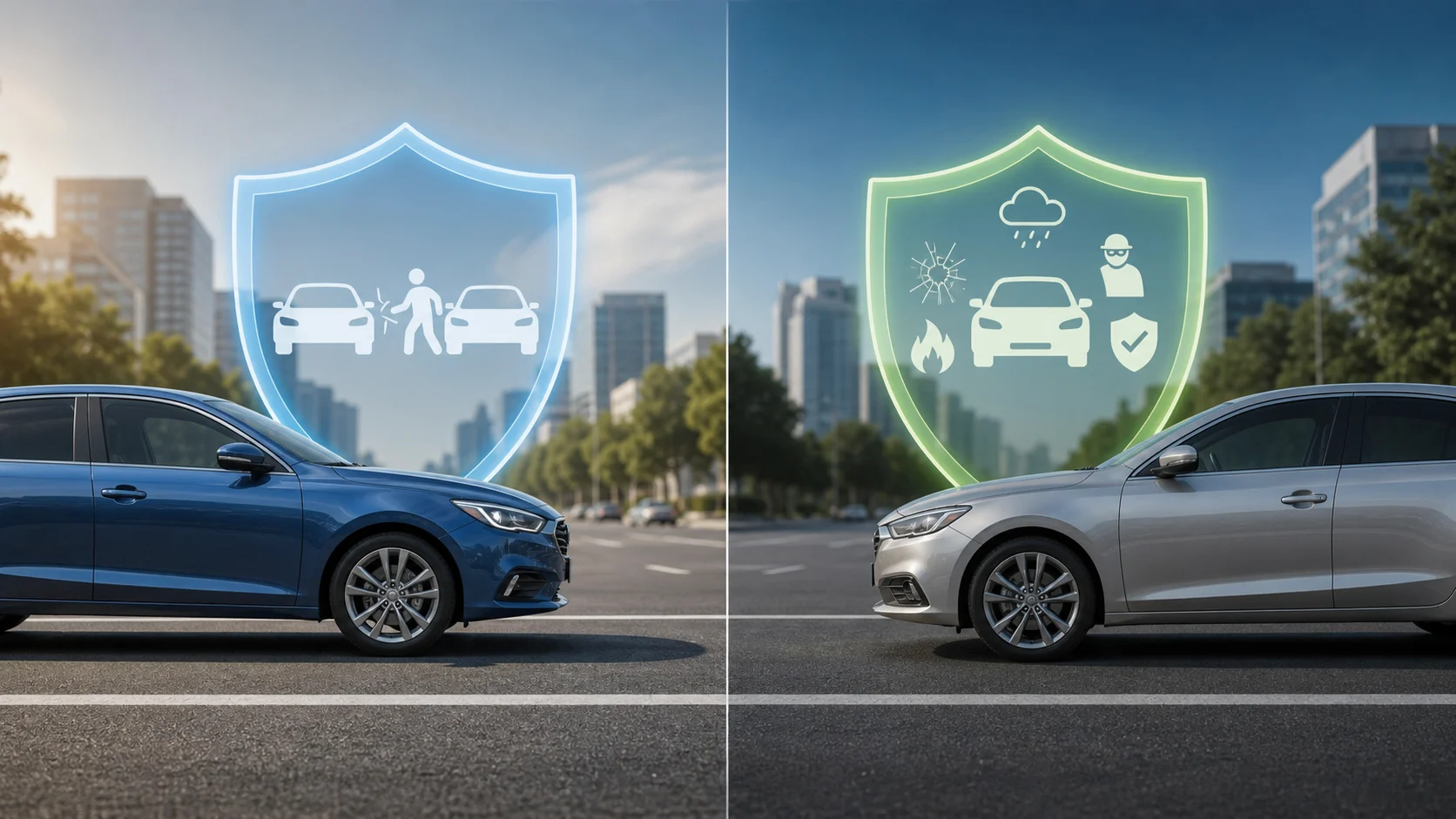
Mandatory traffic insurance is connected with legal responsibility. If you are at fault in an accident, damage to another vehicle, property or person may be handled within the policy limits. However, this policy is not designed to repair your own car. Comprehensive car insurance is optional and can help protect your vehicle against collision, fire, theft, natural events and other selected risks depending on the coverage structure.
Traffic insurance focuses on liability
Traffic insurance exists to manage the financial responsibility a driver may have toward third parties. If you damage another vehicle in an accident, the injured party's claim may be evaluated under your traffic insurance. Damage to pedestrians, passengers, other vehicles or third-party property may also be considered according to policy limits and conditions. This is why traffic insurance is a basic product for social and legal protection.
The coverage structure of traffic insurance is generally based on a standard legal framework. Premiums may vary by insurer, vehicle type, location, claim history and risk assessment, but the main purpose remains the same: to cover third-party losses within defined limits. For this reason, choosing traffic insurance should not be based only on price. Claim handling quality, communication and payment process are also worth considering.
Comprehensive car insurance focuses on your own vehicle
Comprehensive car insurance, unlike traffic insurance, is centered on your own vehicle. Your car may be damaged while parked, involved in a collision, exposed to theft, affected by hail, flood or storm, or need roadside assistance. Traffic insurance does not solve these own-vehicle loss scenarios. Comprehensive car insurance can provide support for many of these risks, depending on the selected coverage.
The scope of comprehensive policies can vary significantly. Authorized repair, private repair networks, original parts, deductibles, replacement vehicle, glass damage, small repair services and assistance benefits may all differ from one offer to another. This is why comprehensive car insurance should be evaluated not only by premium, but also by coverage width, repair quality and claim service expectations.
Understanding the difference through claim examples
Imagine that you are at fault in an accident and the other vehicle is damaged. The other party's damage may be covered by your traffic insurance within the limits. But the damage to your own car is not the subject of traffic insurance. If you have comprehensive car insurance, your own vehicle damage may be evaluated under that policy. This example clearly shows why the two products are not substitutes.
In another scenario, your parked vehicle may be damaged by hail or suffer a broken window. If there is no third-party loss, traffic insurance does not apply. If your comprehensive policy includes hail or glass coverage, the claim may proceed through comprehensive car insurance. Theft, fire, flood, towing and assistance needs are also situations where comprehensive coverage can become highly valuable.
They make more sense together
Traffic insurance and comprehensive car insurance are not competing products. They complete each other. Traffic insurance addresses legal responsibility and third-party losses. Comprehensive car insurance helps protect the financial value of your own vehicle. Having traffic insurance alone does not mean your car is protected against its own damage. Having comprehensive car insurance does not remove the legal need for traffic insurance.
The right insurance structure depends on vehicle value, usage intensity, parking conditions, risk perception and budget. Comprehensive coverage may be more important for newer, high-value or essential daily-use vehicles. For lower-value vehicles, the balance between premium and coverage can be adjusted more carefully. In every case, traffic insurance should be viewed as legal liability protection, while comprehensive car insurance is optional asset protection.
What to check when requesting quotes
For traffic insurance, limits, claim handling, insurer accessibility and payment process matter. For comprehensive car insurance, coverage scope, repair network, deductibles, replacement vehicle, assistance services and additional protections are more decisive. Comparing both products with the same criteria is not the right approach. Each policy should be evaluated according to its own purpose.
Kaskocu helps vehicle owners understand the difference between traffic insurance and comprehensive car insurance in plain language. If your goal is to meet the legal requirement, traffic insurance is the basic product. If you also want broader protection for your own vehicle, comprehensive options should be reviewed. A clear comparison helps protect both your budget and your vehicle more effectively.